
How to Travel with Your Pickleball Paddle: Airline Rules and Best Practices
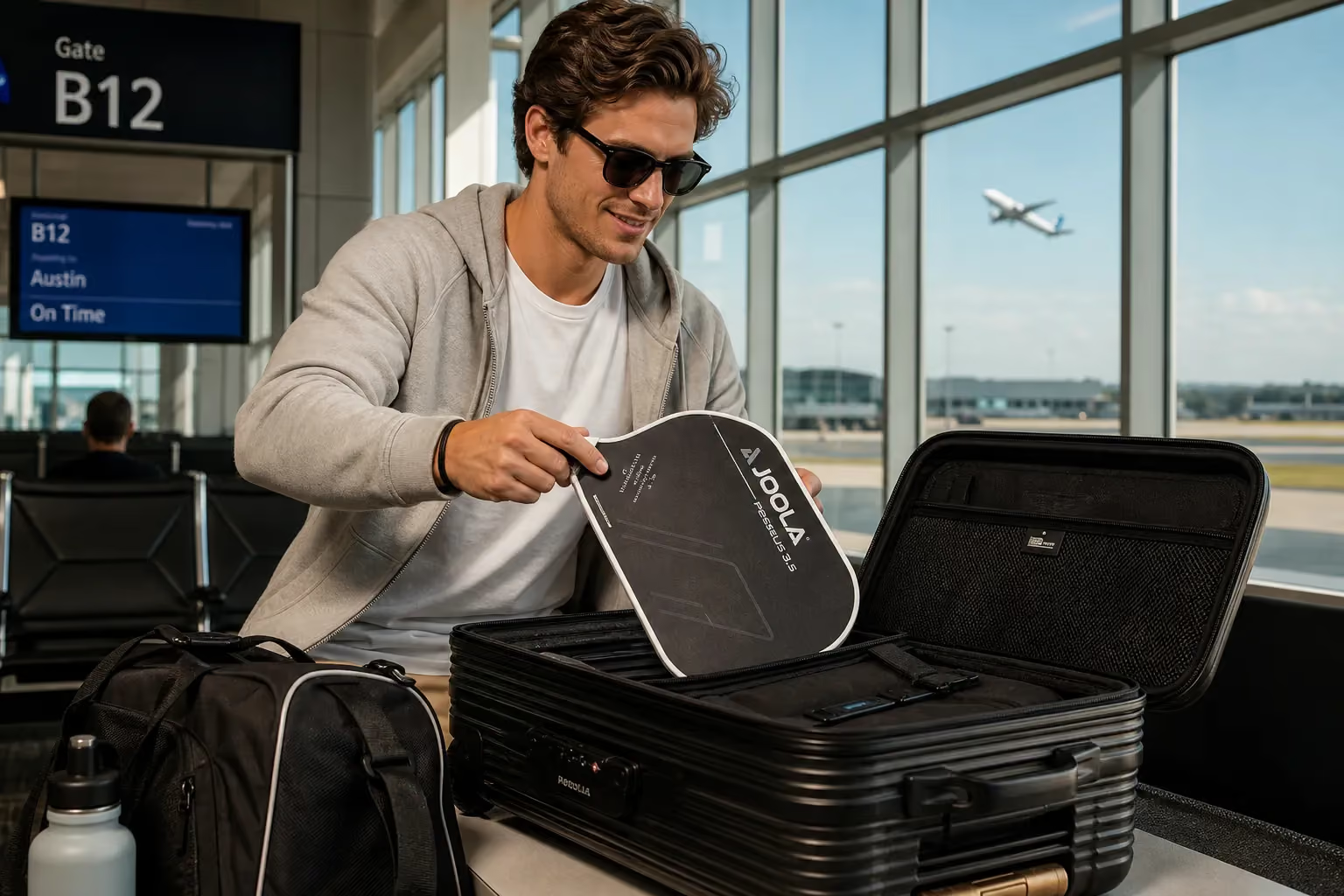
Airline rules at a glance
The good news: pickleball paddles are universally allowed in both carry-on and checked baggage. They're not classified as weapons under TSA rules, and they don't trigger the sporting-equipment surcharges that golf clubs or skis do.

Always check the specific airline's current sporting equipment policy before flying, but pickleball paddles have not triggered restrictions on any major carrier.
Carry-on vs checked: always carry-on
Always travel with your paddle in carry-on if at all possible. Checked baggage gets thrown, dropped and stacked. The face of a pickleball paddle is the part that matters most, and it's also the most vulnerable to point impact.
The exception is if you're checking a bag anyway and have a high-quality hard case rated for checked travel. Even then, carry-on is the lower-risk choice.
Why you need a hard case
Soft sleeves are fine for car travel and clubhouse use. They're not enough for air travel. The face of a paddle can crack from a single point impact, especially if something heavy lands on it in an overhead bin or on a baggage belt.
Look for these features in a travel paddle case:
- Hard exterior (EVA or molded plastic)
- Foam interior padding
- Compartments for 1 to 2 paddles plus accessories
- Compact enough for carry-on (most fit in standard overhead bins)
Pre-flight checklist
- Photograph your paddle. Take a clear photo of the face and edge. Useful for insurance if damage occurs.
- Pack 1 to 2 paddles, not more. More paddles in one case increases impact risk. Only travel with paddles you'll actually use.
- Remove or secure the grip. A loose overgrip can come undone in transit. Re-tape if needed before packing.
- Pack the case in the middle of carry-on. Surrounding it with soft items adds another layer of protection.
- Have travel insurance. Particularly for paddles over $200.
International travel notes
- No special customs declaration needed. Pickleball paddles are personal sporting equipment, not commercial goods.
- Some countries restrict carbon-fibre composites. This has not affected pickleball paddles in any reported case, but worth checking if travelling with a high-end carbon paddle.
- Replacement paddles abroad are unreliable. Outside North America and parts of Europe, finding a quality paddle in a destination is difficult. Bring backups.
What to do if your paddle is damaged
- Document immediately. Photograph the damage before leaving the airport.
- File a baggage claim before you leave the airport. Once you leave, you generally lose the right to claim.
- Submit travel insurance claim if applicable. Most travel insurance covers sporting equipment damage with photo evidence.
- Contact paddle manufacturer. Some offer crash replacement programmes for verified damage.
Frequently asked questions
Can I take a pickleball paddle on a plane?
Yes, on every major airline worldwide. Pickleball paddles are allowed in both carry-on and checked baggage and are not classified as weapons under TSA rules. Carry-on is strongly preferred to prevent damage in transit.
Should I pack my pickleball paddle in carry-on or checked baggage?
Always carry-on if possible. Checked baggage exposes the paddle face to impact damage. A hard case in carry-on is the lowest-risk option.
Do I need a hard case for my paddle?
Yes for air travel. Soft sleeves are fine for car or club use but don't provide enough protection for the impacts a paddle can take in overhead bins or checked baggage. A hard EVA or molded plastic case is essential for flights.
Are there airline surcharges for pickleball paddles?
No. Major airlines do not charge sporting equipment fees for pickleball paddles. They count toward standard carry-on or checked baggage allowances without additional fees.
Can I bring two paddles on a plane?
Yes. Two paddles in a single hard case is standard. More than two in one case increases impact risk and is not recommended.
What do I do if my paddle gets damaged in transit?
Document the damage with photos before leaving the airport. File a baggage claim immediately. Submit a travel insurance claim if you have coverage. Some paddle manufacturers offer crash-replacement programmes for verified transit damage.
Related guides
Continue exploring the complete pickleball travel library.
- Pickleball Holidays: The hub guide. Retreats, resorts and rentals compared.
- Pickleball Retreats Guide: All retreat formats explained.
- Coaching Holidays: Coach-led trips for skill development.
- Resorts with Courts: Hotels with on-site courts.
- Vacation Rentals with Courts: Private villas with their own court.
- Best Destinations: Top 12 places to travel.
Heading
Lorem ipsum dolor sit amet, consectetur adipiscing elit. Suspendisse varius enim in eros elementum tristique. Duis cursus, mi quis viverra ornare, eros dolor interdum nulla, ut commodo diam libero vitae erat. Aenean faucibus nibh et justo cursus id rutrum lorem imperdiet. Nunc ut sem vitae risus tristique posuere.
Popular Articles
Get the Weekly Roundup
New retreat guides, destination tips and player stories delivered to your inbox every week. No spam, ever.
Premium Sponsor
Feature your retreat to high-intent travellers
Reserve this premium homepage placement for seasonal promotions, launches, or limited-date programs.
Partner Spot
Promote a resort or hotel offer
Ideal for room specials, tournament weeks, coaching packages or shoulder-season campaigns targeting active players.
Partner Spot
Showcase a private rental or villa
Perfect for exclusive group stays, new villa launches or owner promotions reaching a targeted pickleball audience.
Brand Sponsor
Open slot for brand sponsorship
Flexible placement for equipment brands, destination marketing campaigns, events or pickleball lifestyle partners.
Related Blogs

Group Pickleball Trips: Splitting Costs and Picking the Right Property
Group pickleball trips deliver the best per-person value in the sport, but the planning gets harder as the group gets bigger. This guide covers how to size the group, pick the right property, split costs cleanly, and avoid the common friction points that kill otherwise good trips.
How to Plan Your First Pickleball Holiday
Planning your first pickleball trip can feel like a lot of moving parts. This step-by-step guide walks through the decisions in the order they actually matter: format, destination, dates, accommodation, budget and packing.

Pickleball Retreat vs Resort vs Private Rental: Which Is Right for You?
The three formats of pickleball travel suit different travellers, group sizes and goals. This guide breaks down the differences with a head-to-head comparison and a clear answer for each common traveller type.