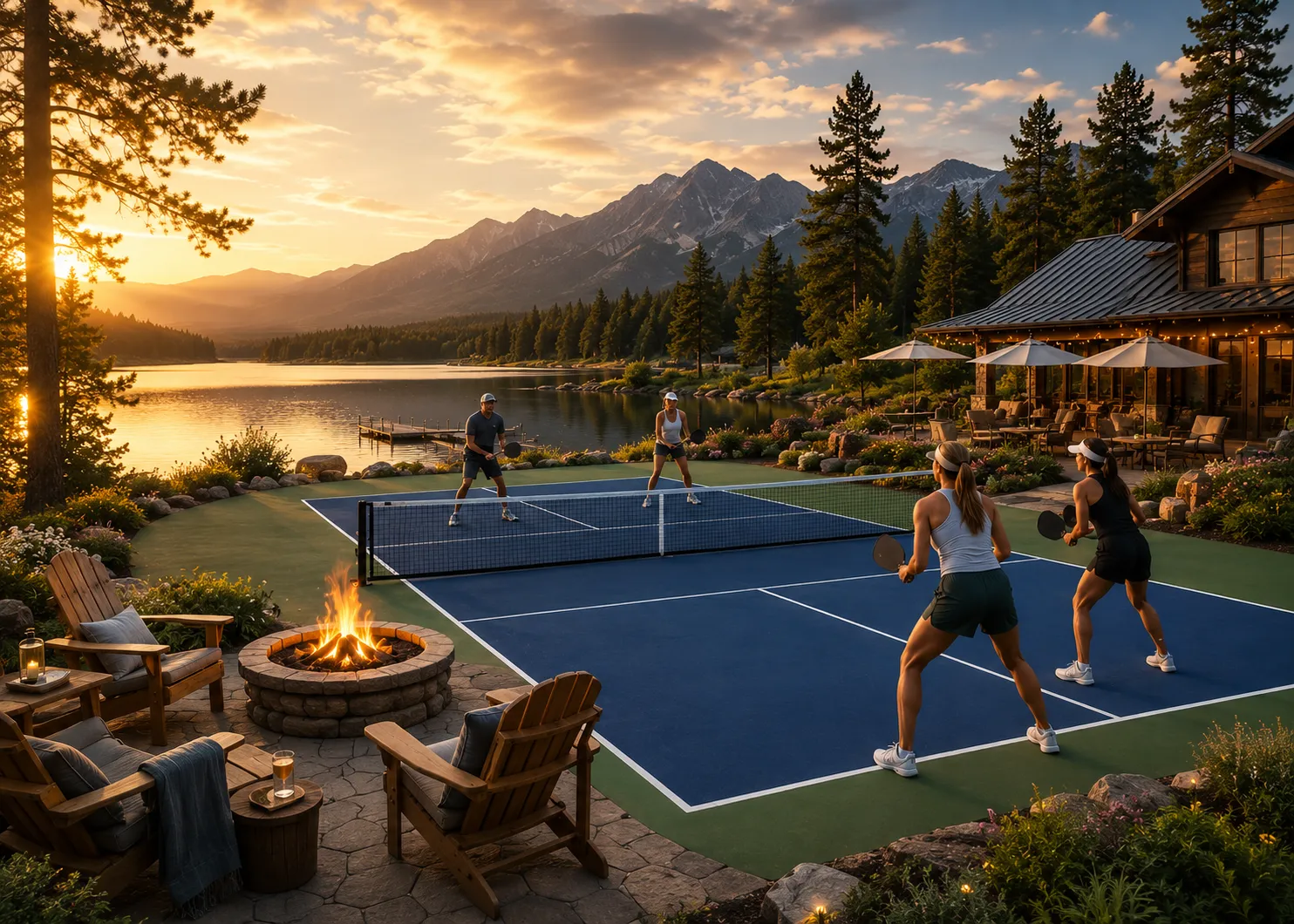
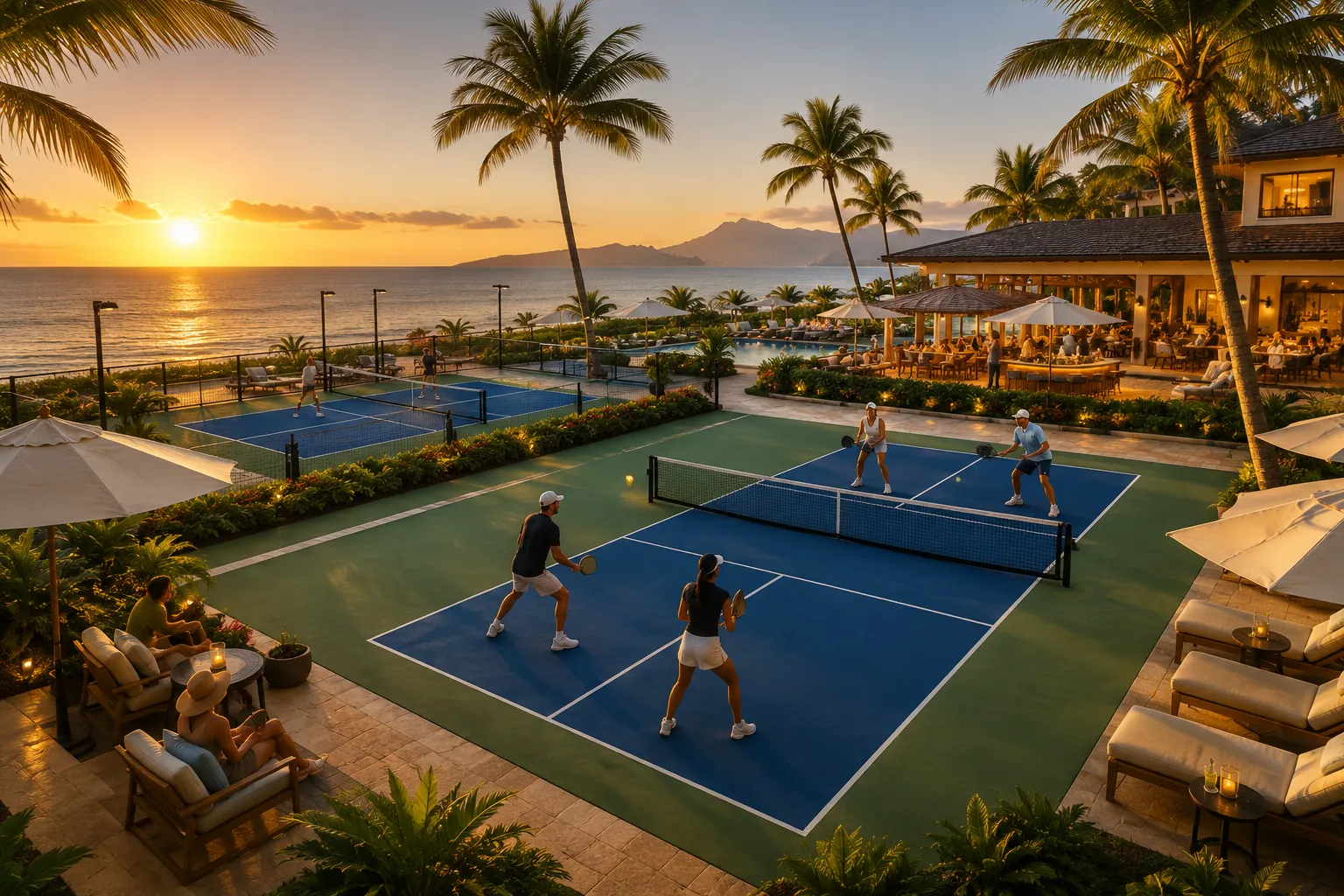
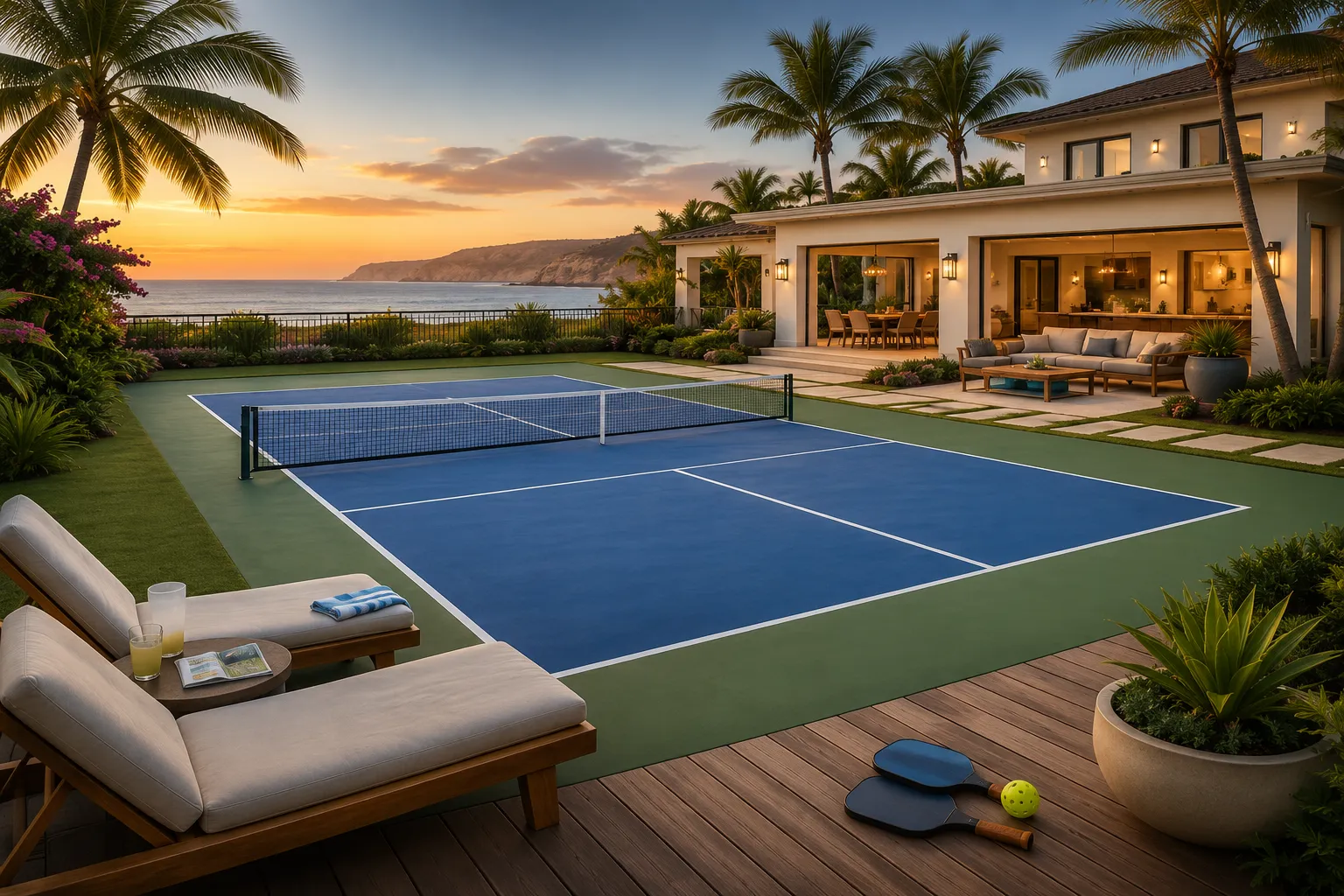
Play every day, improve your game and connect with fellow players. This guide compares retreats, resorts and private rentals to help you choose the right pickleball holiday.
Quick Answer
A pickleball holiday is a trip built around playing pickleball. There are three formats: retreats (all-inclusive coached programs on fixed dates), resorts (hotels with on-site courts and flexible dates) and private rentals (private homes with their own court). Costs run from $200–$800 per night for resorts and private rentals, or $1,500–$5,000 for a 5–7 night retreat. The best choice depends on whether you want to improve, relax or travel with your own group.
A pickleball holiday is a travel experience built around playing pickleball, usually combining accommodation with dedicated court access and either structured coaching or social play. It can mean a coached week at a beachfront retreat, a flexible stay at a resort with on-site courts, or a private villa where your group has its own court for the trip.
For many players, it's also the fastest way to improve. Concentrated court time, exposure to coaching, and rotating through new opponents accelerates skill development more than months of weekly club sessions. The right pickleball holiday is a sport-focused trip and a real vacation in one.
The three types of pickleball holidays
Not all pickleball holidays are the same. PickleGetaways organises every listing into three formats, and the differences matter. The right choice depends on whether you want structure, comfort or privacy.
"Pickleball retreat" is an umbrella term for several distinctly different products. PickleGetaways listings typically fall into one of seven formats. Picking the right format matters more than picking the right destination.
01 · Format
Coaching retreats
Skill development is the central focus. Daily coached clinics, drill-led sessions, video review at premium operators, skill-matched groupings. Run by certified coaches (PPR, PCI or IPTPA) or named touring pros.
Best for
Players who want measurable improvement
02 · Format
Wellness retreats
Pickleball alongside yoga, breathwork, recovery, mobility and nutrition programming. Emphasis on the body recovering at the same rate it works. Common in Bali, Koh Samui and Tulum.
Best for
Active over-50s, recovery-conscious players
03 · Format
Social and lifestyle retreats
Matchplay and community, not coaching. Round-robins, mixers, group dinners, evening events. Lighter on technical instruction, heavier on the social side. The closest cousin to "summer camp for adults."
Best for
Players who want fun, friends and casual matchplay
04 · Format
Women-only retreats
Female-led, female-attended retreats focused on creating a comfortable environment for women new to the sport, returning to it, or building a women's playing circle. A fast-growing segment with strong solo-traveller appeal.
Best for
Women travelling solo, beginners, women's groups
05 · Format
Family retreats
Skill development is the central focus. Daily coached clinics, drill-led sessions, video review at premium operators, skill-matched groupings. Run by certified coaches (PPR, PCI or IPTPA) or named touring pros.
Best for
Families with kids 8+, multi-gen groups
06 · Format
Competitive and tournament-prep retreats
Built around tournament play. In-house round-robins or scheduled around external tournament dates. High-volume matchplay, video review, tactical coaching. Often advertise specific DUPR ranges (typically 3.5+).
Best for
Tournament players, advanced 4.0+
What's actually included in a pickleball retreat?
"All-inclusive" means different things at different operators. Read the listing carefully before assuming. The breakdown below covers what is and isn't typically in the headline price.
How to choose the right format
The fastest way to narrow it down is to start with what you actually want from the trip. The three short profiles below cover most travellers.
If your goal is to improve
Choose a retreat
Daily coached clinics, drill sessions, video review and skill-matched play will move your level faster than a year of casual club games. Best if you'd happily travel solo.
If you want to relax
Choose a resort
You set the pace: a couple of morning games, then the spa, beach or a non-playing partner's preferred activities. No fixed dates, no group schedule.
If travelling with friends
Choose a private rental
A private villa with its own court means your group plays whenever it wants, eats what it wants, and splits one bill. Cheapest per person at four+ people.
Who pickleball holidays are for
The short answer is everyone. Pickleball is the broadest-demographic sport in mainstream travel right now. Different player profiles tend to gravitate toward different formats:
Beginners (DUPR 2.0–2.5): Retreats are the welcoming entry point. You'll learn the fundamentals fast in a structured, supportive group.
Intermediate players (3.0–3.5): The biggest cohort on retreats. Vast variety of programmes focused on third-shot strategy, dinking and consistency.
Advanced players (4.0+): Performance retreats with video analysis, point construction drills and competitive round-robins. Some operators run pro-coached camps.
Active over-50s: Pickleball's fastest-growing demographic. Many retreats are designed specifically for this group with moderate intensity and strong social programmes.
Solo travellers: One of the easiest formats in travel for going alone. Within an hour of arriving you're playing with people who become the trip's group.
Couples with mixed interests: Resorts work best when one partner plays and the other doesn't. Spa, beach and dining keep both sides happy.
Friend groups and corporate teams: Private rentals and full-property buyouts suit anyone wanting a shared active experience without strangers.
The top pickleball holiday destinations
PickleGetaways covers curated destinations across the USA, Mexico, Australia, Bali, Thailand and luxury escapes. These five are where the largest concentration of dedicated courts, retreats and resorts live right now.
PICKLEBALL CAPITAL OF THE WORLD
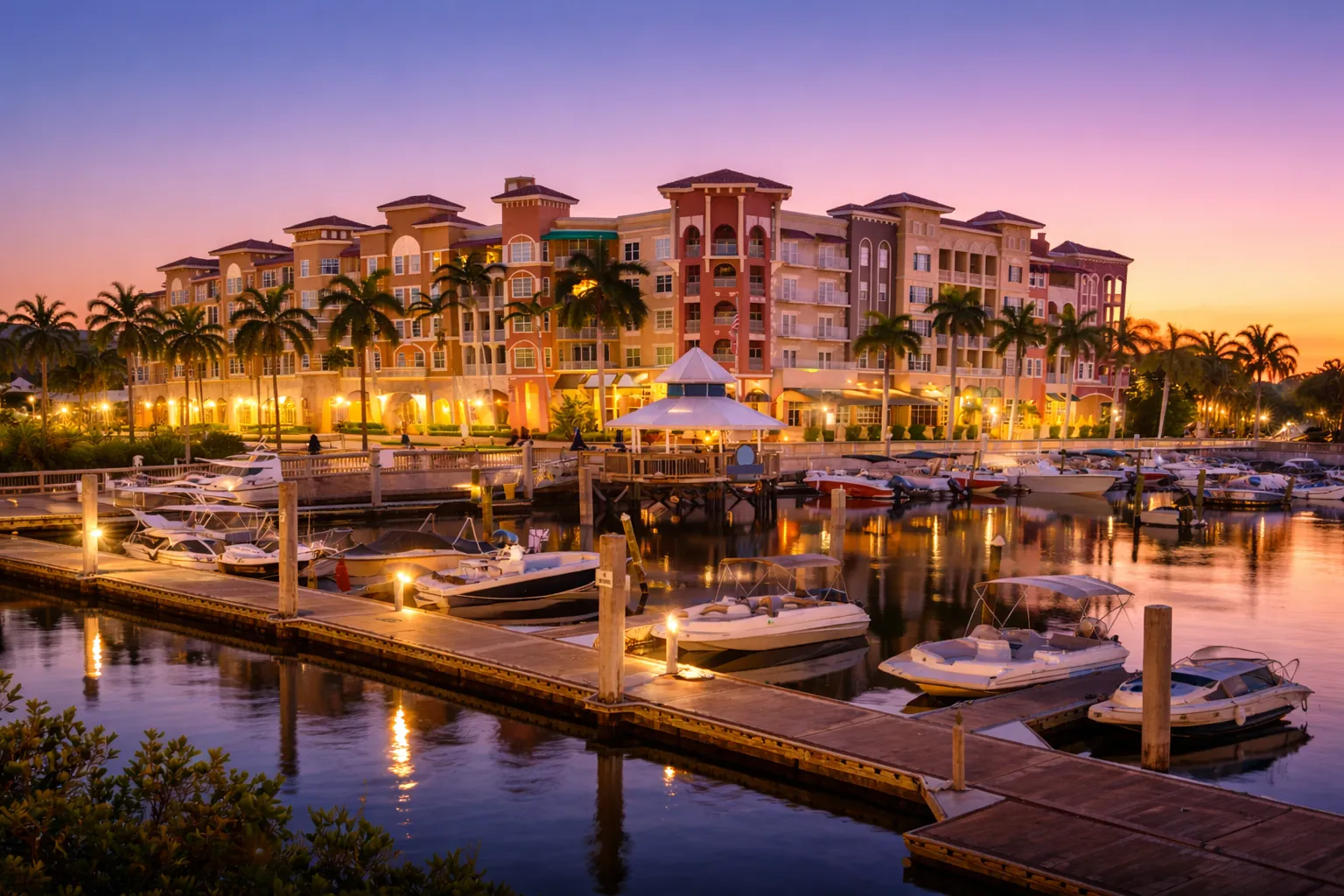
Naples, Florida
Home of the US Open Pickleball Championships and one of the highest concentrations of dedicated courts in the United States.
Browse Naples desitination →
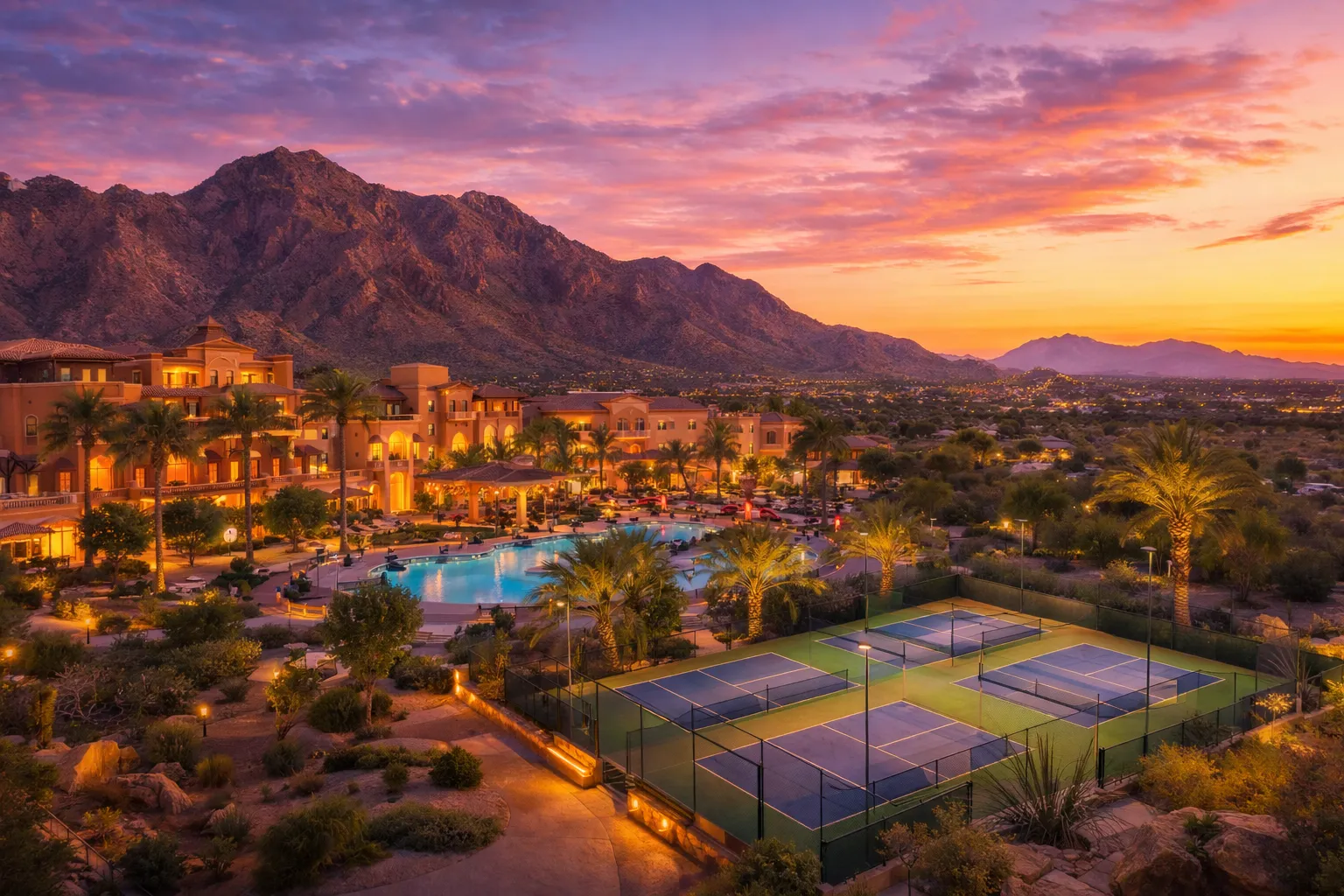
Luxury Desert Destination
Scottsdale, Arizona
Year-round sunshine, premium resorts and one of the fastest-growing pickleball scenes in the United States.
Browse Scottsdale desitination →
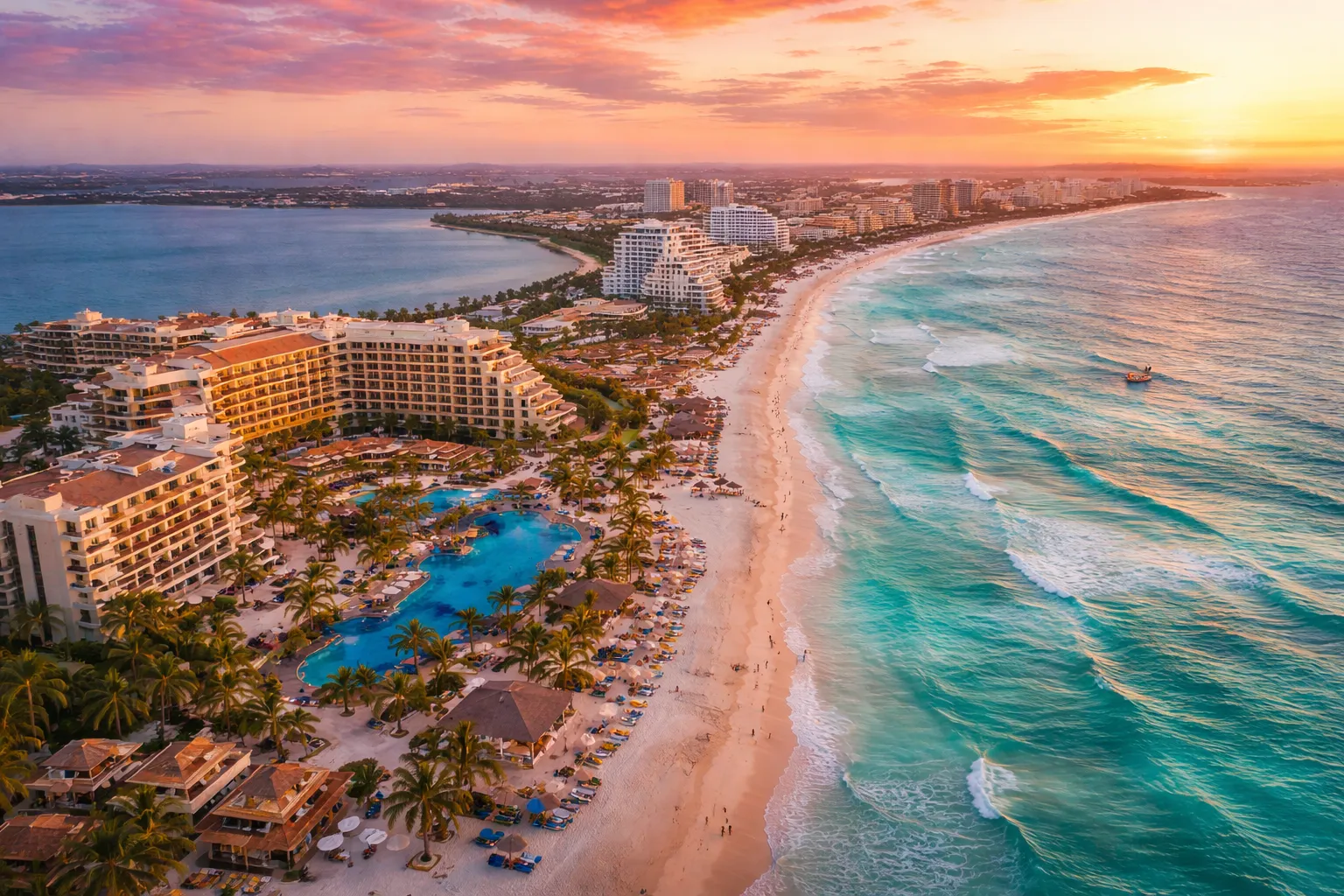
Top International Retreat Hub
Cancun, Mexico
All-inclusive beachfront resorts pairing luxury with a fast-growing pickleball scene at a strong price point.
Browse Cancun desitination→
Luxury Meets Global Travel Hub
Dubai
World-class facilities and luxury resorts. The fastest-rising international pickleball destination on the calendar.
Browse Dubai desitination →
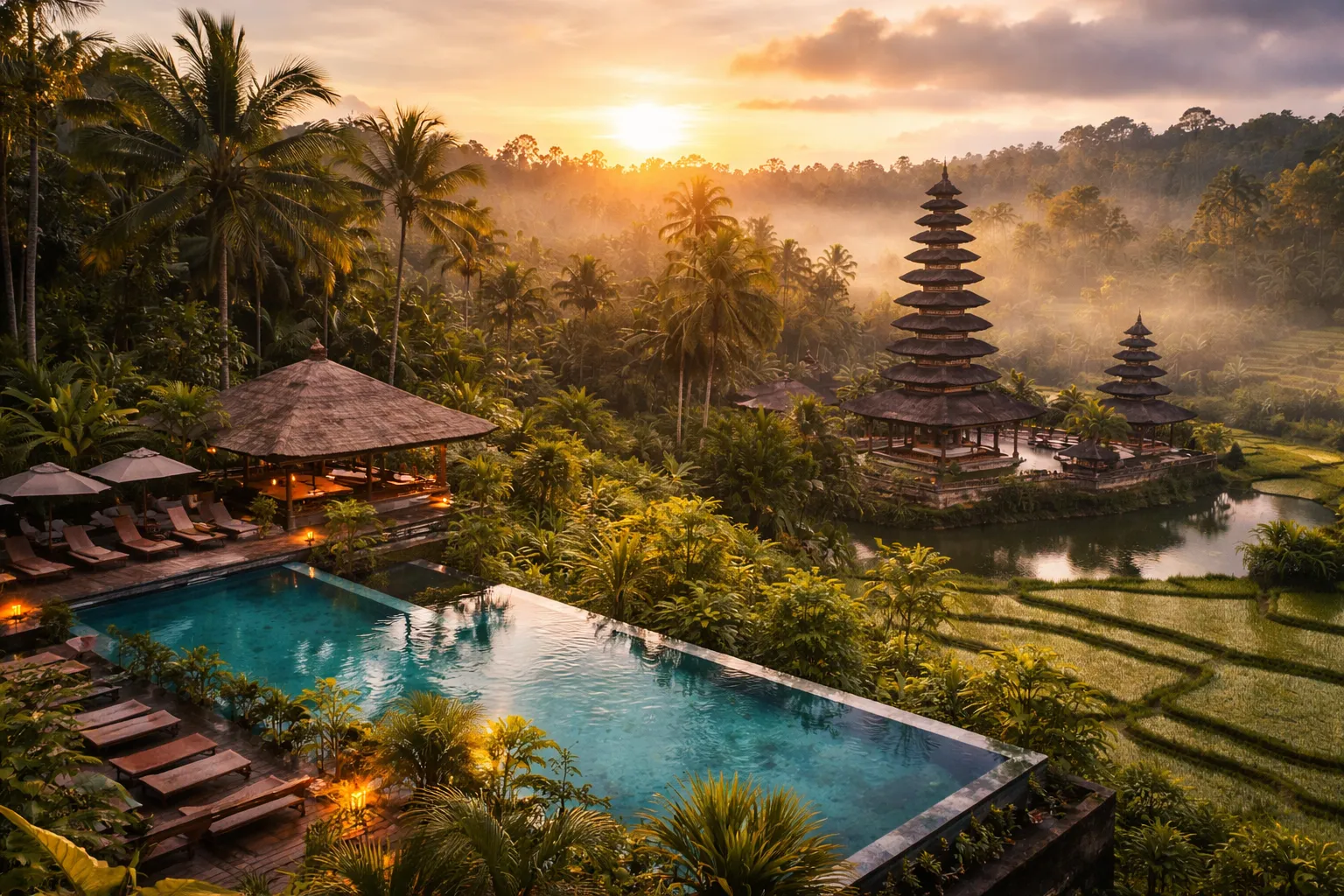
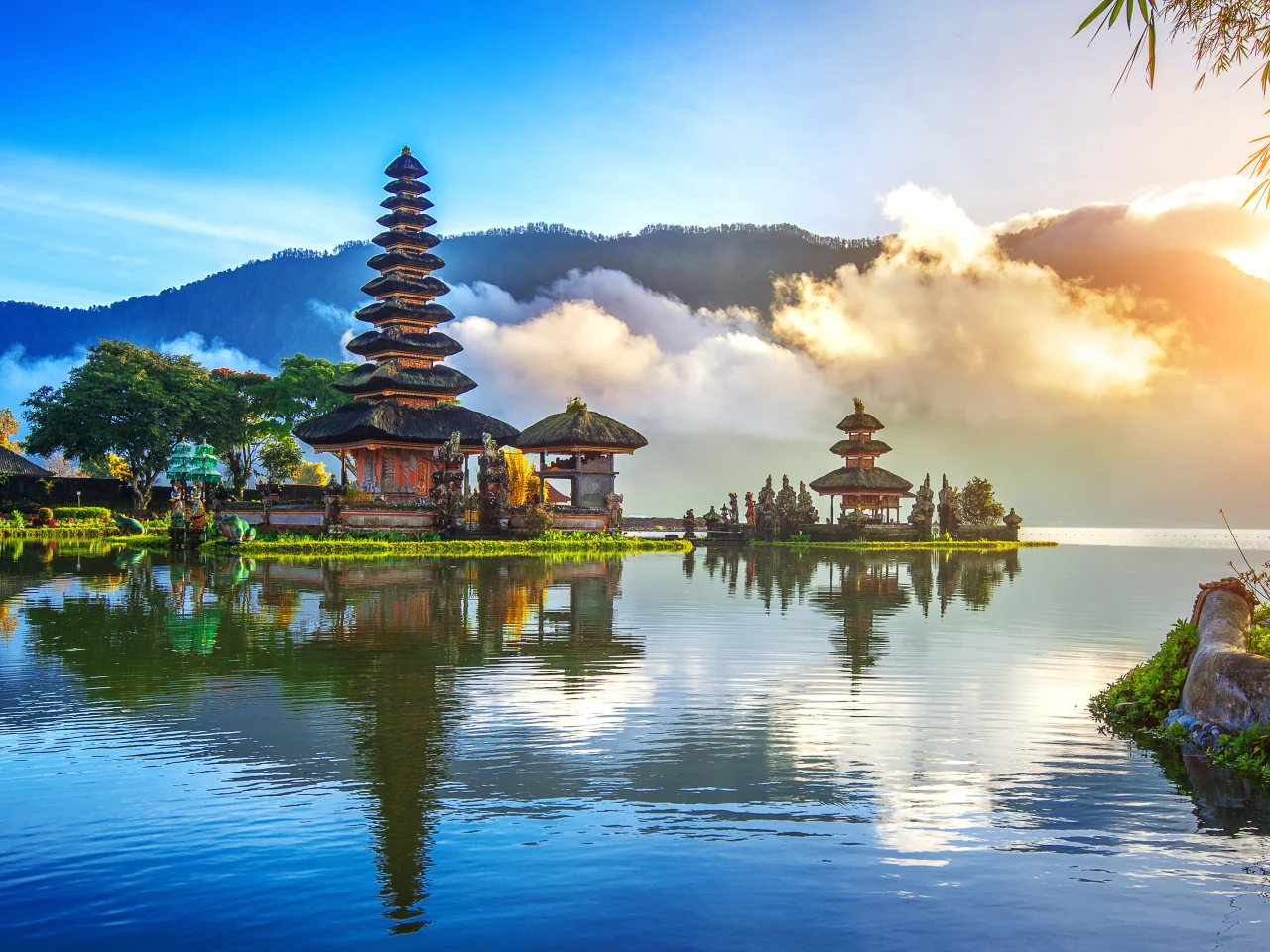
Asia's Fastest-Growing Hotspot
Bali, Indonesia
A global magnet for pickleball retreats and wellness travel set in tropical surroundings at exceptional value.
Browse Bali desitination →
All Destinations Compared
Read the destinations guide
Climate, peak seasons, court density and price points compared across every major pickleball destination.
Open the full guide →
What to expect on a pickleball holiday
A coached pickleball retreat through PickleGetaways follows a fairly consistent rhythm. Resort and private rental holidays are looser. You book court time around your own schedule. Below is a typical retreat day:
7:30 AM
Morning warm-up: light drilling and dynamic stretching
9:00 AM
Coached skills clinic: technique focus rotated by day (third shot, dinking, transitions)
11:00 AM
Skill-matched play: round robins or king-of-the-court
1:00 PM
Group lunch and rest at the resort
3:00 PM
Optional afternoon clinic or open play (some retreats run video review here)
6:30 PM
Group dinner and social mixer, occasional evening tournament
Resort and private rental-based holidays trade structure for flexibility. You book court time when you want, fit play around the property's amenities or local attractions, and choose your own meal arrangements.
How much does a pickleball holiday cost?
Pricing varies significantly by format, destination and duration. The table below covers the most common ranges on PickleGetaways listings:
Holiday type
Typical price (USD)
What's included
Weekend retreat
$500 – $1,200 / person
Accommodation, coaching, most meals, court time
Week-long retreat
$1,500 – $5,000 / person
Full programme, accommodation, most meals, transfers
Resort stay
$200 – $600 / night / room
Accommodation, court access, resort amenities
Private rental
$400 – $800 / night / property
Whole-property exclusive use with private court
Premium pro-coached camp
$3,500 – $7,500 / person
Pro-led coaching, video analysis, performance facilities
Note: prices exclude flights and vary by season. PickleGetaways charges no booking or commission fees. You book directly with the host at their listed rate.
Tips for booking and packing
Book 2–3 months ahead: premium retreats sell out quickly, especially winter dates in Florida, Arizona and Mexico.
Bring a backup paddle: heavy daily play wears equipment faster than club use, and replacements at remote properties are unreliable.
Pack proper court shoes: running shoes lack the lateral support pickleball requires. Court-specific shoes prevent the most common injuries on retreat.
Pack sun protection: sunscreen, a wide-brim hat and a UV-rated sun shirt are essential for outdoor courts in Florida, Arizona, Mexico and tropical destinations.
Pack sun protection: sunscreen, a wide-brim hat and a UV-rated sun shirt are essential for outdoor courts in Florida, Arizona, Mexico and tropical destinations.
Travel insurance is worth it on international trips: particularly for retreats with non-refundable deposits.
Bring a soft brace or KT tape: minor pickleball injuries are common in concentrated play. A tennis elbow band, ankle brace or KT tape roll is cheap insurance.
Ready to find your pickleball getaway?
Browse retreats, resorts and private rentals across destinations.