Pickleball Coaching Holidays Improve Your Game While Travel
Train with expert coaches, play in a great destination and improve your game alongside fellow players. This guide helps you choose a quality coaching holiday suited to your level.
Quick Answer
A pickleball coaching holiday is a structured travel programme built around skill development. Every day includes 2 to 4 hours of coached court time with certified instructors (USAPA, PPR, or pro-tour level), skill-based groupings and drill-led sessions. Programmes run from $500 for a weekend group retreat up to $5,500 for a premium week-long programme with video analysis. The right one for you depends on your current level and what you want to fix.
A pickleball coaching holiday is a travel experience built around structured instruction. Unlike a regular resort stay where you book court time and play at your own pace, a coaching holiday is designed to make you a measurably better player by the time you check out.
It sits inside the broader category of pickleball retreats, but with the instruction component dialled up. A standard retreat might be wellness-focused, social-focused or coaching-focused. A coaching holiday is unambiguously the third. Most run from 2 to 7 nights, group sizes are usually 4 to 8 per coach, and improvement is the explicit goal.
Programmes vary, but a quality coaching holiday should deliver a reasonably consistent set of components. Use this list as a checklist when comparing retreats on PickleGetaways:
Daily coached sessions: typically 2 to 4 hours of structured court time per day
Small-group instruction: groups of 4 to 8 per coach are standard at quality retreats
Skill-based groupings: you're always playing at the right level, never thrown out of your depth
The quality of your coaching holiday lives or dies by the instructor on court. Every quality retreat lists their coaches' credentials prominently. These are the certifications and experience markers worth looking for when comparing options.
Certifications and credentials to look for
PPR-certified coaches: the Professional Pickleball Registry is an official certification partner of USA Pickleball (the sport's national governing body) and the most widely recognised coaching credential in the US.
PCI & IPTPA certification: Pickleball Coaching International (USA Pickleball's other official partner) and the International Pickleball Teaching Professional Association are the leading independent global credentials. A Level 2 certification indicates significant teaching experience.
PPA or APP touring professionals: active or recently retired tour players. Brings elite competitive insight and pattern recognition you don't get from a teaching pro.
Former tennis pros: many high-end pickleball coaches have transitioned from tennis. Deep biomechanics knowledge and stroke-mechanics fluency.
3 plus years of full-time teaching: experience teaching across the 3.0 to 5.0 range, not just at one level. A coach who only teaches advanced players is not the right pick for a beginner retreat.
Premium retreats on PickleGetaways typically feature PPR-, PCI- or IPTPA-certified Level 2 coaches with at least 3 years of full-time pickleball instruction. Many week-long programmes are led by teams of two coaches, one specialising in technique-focused drilling and one in match-play strategy. Always read the coach bio section on each listing before booking.
What skill level do you need?
The most common question from first-time coaching-holiday bookers is "am I good enough?" The answer is almost always yes, because quality retreats are built to meet you exactly where you are. Here's how levels typically break down on PickleGetaways listings:
DUPR 2.0 – 2.5
Beginners
For new players, or those playing casually for under a year. Sessions focus on the fundamentals: grip, serve mechanics, dink technique and court positioning. Look for retreats that explicitly state "beginner-friendly" or list 2.0 to 2.5 as a welcomed range. You don't need experience, you need enthusiasm.
DUPR 3.0 – 3.5
Intermediate
The most catered-for level on retreats globally. You rally consistently and understand scoring. Coaching focuses on third-shot drops, dink patterns, stacking, transition-zone play and shot selection under pressure. This is the level where the most transformational improvement tends to happen.
DUPR 4.0+
Advanced
Performance-focused retreats with competitive round-robins, point-construction drills, video analysis and high-intensity coached match play. Built for tournament players or serious aspirants. Sessions cover reset mechanics, ATP and erne shots, speed-up sequences and advanced doubles strategy.
Not sure of your level? Most retreats include a short self-assessment questionnaire at booking. If you're uncertain, message the host directly through PickleGetaways before booking, they will place you in the right group on arrival.
A typical retreat day
Schedules vary by format, but the rhythm below is what most well-run retreats look like. Wellness retreats typically replace the afternoon block with yoga or recovery sessions, social retreats lean heavier on evening events, and competitive retreats run two full court blocks per day.
Technique clinic: coached skills session covering serve, dink, drop. Small groups, level-based. Video review at premium retreats.
10:30 AM
Skill-based match play: structured point-construction drills with coach observation and real-time feedback
12:30 PM
Group lunch: typically included. Rest and recovery, important for afternoon performance.
2:30 PM
Optional afternoon block: open play, strategy session, or paid one-on-one private lesson
4:30 PM
Free time: pool, spa, explore the destination. The "holiday" half of the coaching holiday.
6:30 PM
Group dinner and social evening: many retreats run an evening round-robin or mixer tournament
Not every retreat runs this exact schedule. Some are morning-only with free afternoons, others run two full court sessions per day, week-long programmes typically build in a rest day mid-week. Always review the daily schedule on the listing page before booking.
How to choose the right coaching programme
Three quick questions narrow it down faster than scrolling through dozens of listings.
If you're new to the sport
Beginner-friendly group retreat
Look for explicit beginner welcomes, group sizes of 6 to 8, and at least one PPR-, PCI- or IPTPA-certified coach. Avoid pro-coached camps, you'll get more value from a teaching specialist.
If you've plateaued at 3.0–3.5
Week-long structured programme
This is where week-long retreats with video analysis pay off most. Prioritise coach-to-player ratios under 1:6 and programmes that publish their daily schedule in advance.
If you compete or are 4.0+
Pro-coached performance camp
Look for retreats featuring PPA or APP touring pros, video review and tournament-style match play. Smaller groups (4 per coach) and higher price points are typical here.
Top destinations for coaching holidays specifically
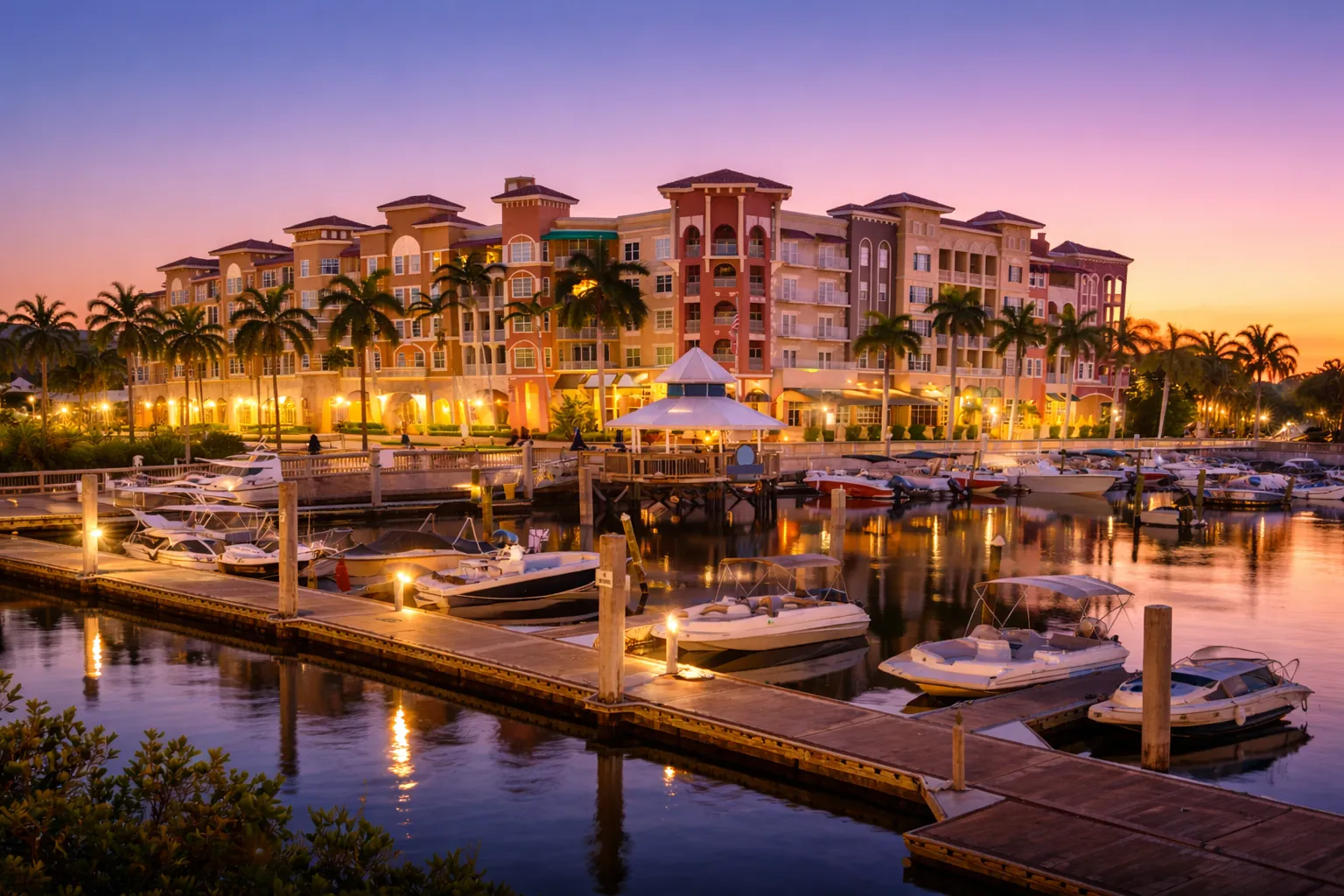
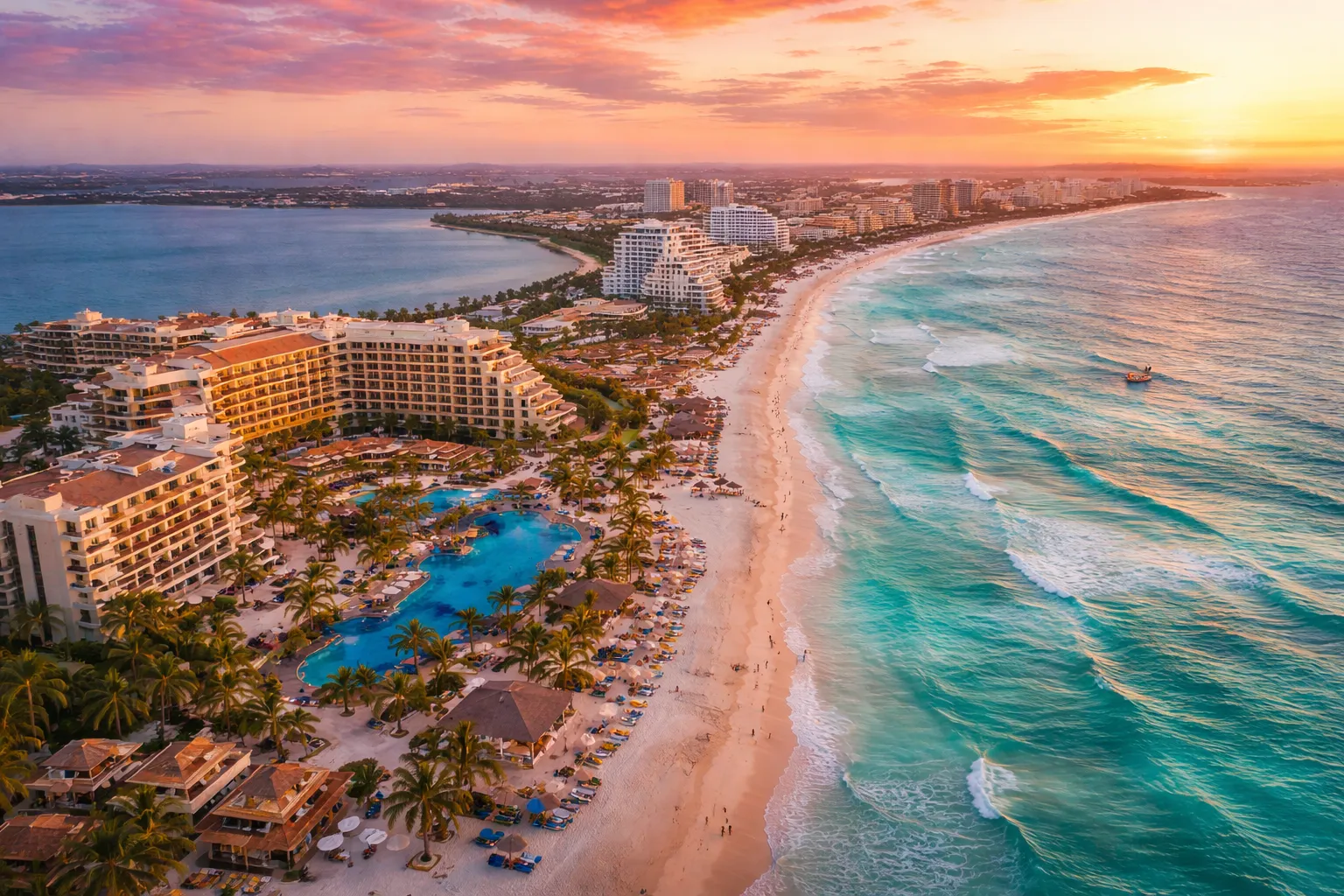
"Best pickleball destination" and "best coaching destination" aren't the same list. The three picks below are the destinations on PickleGetaways with the strongest coaching infrastructure right now: certified-coach density, year-round programmes and an active player pool deep enough for skill-matched groupings. Each one is strong for a different reason, so the right pick depends on what kind of coaching you're after.
How to spot a destination with serious coaching depth
The marketing copy on a retreat page rarely tells you whether the destination itself has the infrastructure to deliver good coaching. Run a destination through these five questions before you commit, especially if it's a newer location.
The 5-question coaching-depth check
Apply this to any destination you're considering. A "yes" to all five is a strong sign. A "no" on more than two means look elsewhere.
1
Are there at least 5 named, certified coaches working in the destination year-round?
A single visiting pro running a one-week camp isn't depth. Sustained coaching infrastructure means multiple instructors with year-round residency, ideally with PPR, PCI or IPTPA credentials publicly listed on retreat profiles.
2
Does the local player pool support skill-matched groupings?
Quality coaching requires you to play with people at your level, not just whoever turned up. Destinations with a small or homogeneous player pool can leave 4.0+ players grinding through 3.0 round-robins, or beginners getting embarrassed in advanced sessions.
3
Are there multiple competing retreat operators in the location?
If only one operator runs there, you have no comparison and no fallback. Mature coaching destinations have at least 3 to 4 retreat operators competing on quality, which is what drives standards up over time.
4
Is there year-round, weather-independent court access?
Outdoor-only destinations with seasonal weather windows produce inconsistent coaching infrastructure. Indoor courts, covered courts, or genuinely year-round playable climate is non-negotiable for serious coaching investment.
5
Do reviews specifically mention coaching quality, not just the destination?
"Beautiful resort, lovely beach" reviews tell you nothing about the coaching. Look for reviews that name the coach, mention specific drills or feedback they received, and describe what they actually improved on. If those reviews are missing, the coaching probably isn't the draw.
Naples, San Diego and Tulum lead the field today. A handful of other PickleGetaways destinations are close behind and worth watching: Scottsdale, Arizona (luxury desert resort coaching with year-round sunshine), Austin, Texas (rapidly growing PCI-certified instructor base), Bali, Indonesia (fastest-growing coaching retreat scene in Asia-Pacific), and Phuket, Thailand (strong value coaching with improving infrastructure each season).
How much does a pickleball coaching holiday cost?
Pricing depends on duration, location, coach credentials, and whether accommodation and meals are included. The table below covers the most common ranges on PickleGetaways listings.
Programme type
Typical price (USD)
What's included
Weekend group retreat
$500 – $900 / person
2 days coaching, accommodation, meals, court fees
Week-long group programme
$1,800 – $3,500 / person
5 to 7 days coaching, accommodation, most meals
Premium week-long retreat
$3,500 – $5,500 / person
PPR, PCI or IPTPA Level 2 coach, video analysis, private sessions, luxury stay
Pro-coached performance camp
$5,000 – $7,500 / person
PPA or APP touring pro, smaller groups, performance facilities
Private coaching add-on
$80 – $200 / hour
One-on-one with the lead coach. Available at most retreats.
International coaching retreats in Mexico, Bali and Thailand often deliver premium-level instruction at 30 to 50 percent below equivalent US pricing, making them strong value for players willing to fly further.
Find a coaching holiday that matches your level
Filter by skill level, destination, coach certification and dates. No booking fees on PickleGetaways.